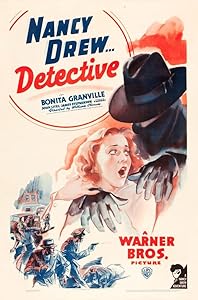
The 1938 film Nancy Drew, Detective, directed by William Clemens and starring Bonita Granville, is a lively and highly entertaining adaptation that draws inspiration from The Password to Larkspur Lane, one of the original Nancy Drew books written under the pseudonym Carolyn Keene. The film’s lighter, more comedic twist adds to its entertainment value, making it a must-watch for those seeking an enjoyable and exciting movie experience. The film’s ability to simplify and reshape the book’s plot while retaining enough of its core elements to appeal to fans of the series is a testament to its entertainment value.
Plot Summary
In the film, Nancy Drew is determined to uncover the truth behind the mysterious disappearance of a wealthy older woman who had recently promised a donation to her school. With the help (and occasional hindrance) of her skeptical friend Ted Nickerson—this film’s version of book-boyfriend Ned—Nancy follows a trail that leads to an eerie house on the edge of town and a plot involving impersonation and ransom.
The final act of the film is a thrilling ride, delivering a dose of real excitement as Nancy, outsmarting the criminals, pulls a gun on the villains in a gutsy move. This moment underscores the film’s brisk pace and flair for the dramatic, keeping viewers engaged and on the edge of their seats. It’s a testament to the film’s ability to deliver a truly exciting climax.
Similarities and Differences to The Password to Larkspur Lane
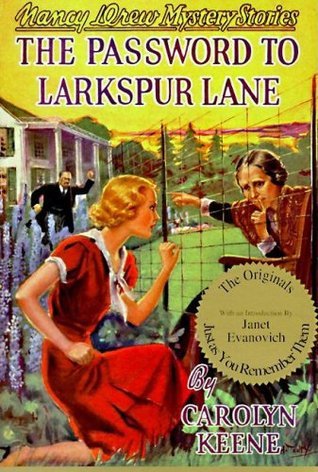
The basic setup—an older woman’s suspicious disappearance and an ominous remote house—remains intact from the book. However, the woman is introduced as a potential financial donor to Nancy Drew’s school instead of the more roundabout kidnapping of a local doctor who is taken to a sick woman being held captive in a strange house by a gang. I thought the older woman’s approach was a more practical way for Nancy to get involved in the case.
The screenplay heavily trims the more atmospheric and suspenseful elements in favor of a lighter tone. This change significantly alters the viewing experience, as the film becomes more about the adventure and less about the mystery. Gone are some of the darker undertones and complex clues from the novel. Instead, the mystery unfolds quickly, with more comic interludes and snappy dialogue. This lighter tone may appeal to a broader audience, but it does sacrifice some of the depth and complexity of the original book.
Their movie retained the homing pigeons and various clues about bluebells and Larkspurs, but again made some rather disappointing changes. In The Password to Larkspur Lane, there’s a hilarious exchange:
“I’ll wire the International Federation of American Homing Pigeon Fanciers and give them the number stamped on the bird’s leg ring.”
Nancy knows all about the official usage of homing pigeons, which is a little ridiculous, but it portrays her as highly intelligent and possessing a wealth of specialized knowledge. Still, in the movie, it’s, of course, Ned, who knows all about homing pigeons, not Nancy.
One of the most significant changes is Ted is the only foil to Nancy- there’s no Bess and George or even her sometimes sleuthing partner, Helen Corning, so the movie astroturfs the idea, that one independent young woman might inspire other young women to use their talents to solve complex problems with their knowledge and friendship. With Ned as the only foil, it becomes more of a teen romance- with Nancy using her feminine wiles to get Ned- I mean- Ted to sleuth with her- which he does with as much resistence as possible, Again, this is a silly change, because in the books: Ned is a clean cut American boy who is strong, motivated by doing the right thing, and he seems willing to go along with dangerous tasks Nancy dreams up.
But Ted is built differently.
Also, there’s no girl gang running around being friends, which is also an endearing aspect of the Nancy Drew series. Am I surprised that these changes were made? No, it’s a movie produced in 1938, but what the film leaves out is how progressive a group of independent, smart, and curious young ladies, under the tutelage of Nancy Drew and supported by Carson Drew, was for its time.
One of the more dissimilar elements of the movie is the bland performance of a more unsupportive Carson Drew, who is more in line with what an actual father of a busybody daughter would have been like in the 1930s. I was disappointed that Carson’s lessons in critical thinking and how to investigate dangerous individuals from the books safely were replaced with a baffled and begrudgingly cajoled participant in the mystery. Again, this undercuts a key theme of the book and the series in general: that strong young women flourish when respected men in their community, especially those who are strong themselves, give them agency and space to be themselves.
Do these changes in characters or themes alter the mystery? No, but I think they highlight how dangerously progressive the independent Nancy Drew and her cadre of friends would have been on screen in the late 1930s.
Nancy Drew Gets a Gun
One of the more intriguing elements of the movie- is that they do keep in a rather terrifying and suspenseful kidnapping by a gang of ruffians. Nancy Drew uses her brawn to steal one of the kidnappers gun and starts shooting- badly- before the police show up and rescue her. It’s an exciting- if somewhat regressive departure from the nonviolent, brainy Nancy of the books- but a gun toting Nancy Drew sure does make fun cinema.

Bonita Granville’s Nancy Drew: Spunky but Less Independent
Bonita Granville’s portrayal of Nancy Drew is energetic and engaging. She brings a mischievous charm to the character, often relying on quick thinking, feigned innocence, and sheer nerve to get results. However, this Nancy is slightly more of a “teen sleuth sidekick” than the iconic young woman detective readers know from the books. She’s occasionally reckless and needs rescuing, though she always bounces back with spirited resolve.
That said, Granville’s performance captures the determination at the heart of Nancy’s character, making her a delight to watch—even if she diverges from the more composed and confident Nancy of the novels.
Supporting Cast & Performances
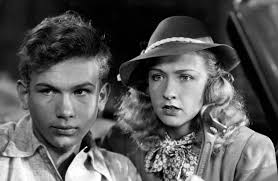
Frankie Thomas plays Ted Nickerson with skepticism and charm. While he’s clearly the comic foil and not quite a romantic lead, the chemistry between him and Granville adds levity to the story. John Litel, as Nancy’s father, Carson Drew, plays the exasperated dad well, though his role is more reactionary than proactive. While both actors play the characters as written in the script, they differ from the ones on the page.
Final Thoughts
Nancy Drew, Detective is a fun, fast-paced film that reflects its era, complete with a plucky heroine, a few convenient plot twists, and a dramatic, satisfying conclusion. Though it departs significantly from its source material, it succeeds as a standalone piece of lighthearted teen mystery cinema, which was a burgeoning entertainment industry at the time.
Fans of Nancy Drew may find Granville’s version a bit too cheeky and less autonomous, but she undeniably paved the way for future screen interpretations of the beloved sleuth. With its snappy dialogue, exciting showdown, and spirited lead performance, this 1938 classic is well worth revisiting for fans of vintage mystery and those who enjoy a good sleuth with a side of sass!
Rating: ★★★★☆ (4/5)
Nancy Drew Series Reviews
- The Secret of the Old Clock (1930)
- The Hidden Staircase (1930)
- The Bungalow Mystery (1930)
- The Mystery at Lilac Inn (1930)
- The Sign of the Twisted Candles (1933)
- Password at Larkspur Lane (1933)
- The Clue of the Tapping Heels (1939)


 Golden Age of Detective Fiction
Leave a comment