
Chief Inspector Robert Macdonald is back in picturesque Lunesdale attempting to capture a racketeer named Gordon Ginner. His line is forging coupon ration books and he’s making a tidy profit, but when he finds the police on his trail he goes underground among the dales.
Chief Inspector Macdonald having made inroads in the community during previous investigation quietly and deftly inserts himself in the communty, after getting a queer letter from local farmer, Giles Hoggett, which details some strange minor crimes.
Chief Inspector Macdonald, befriends Hoggett and meets his family, his wife Kate, and his brother. They detail to them a strange robbery of random miscellaneous items, including some iron dogs. They interject that that crime can only have been committed by an outsider since no one local would move those iron dogs. Their assertion, so emphatic and self assured gives Macdonald the first clue that unstrings a complicated racketeering.
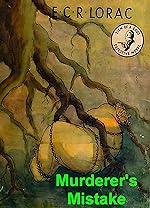
The Review
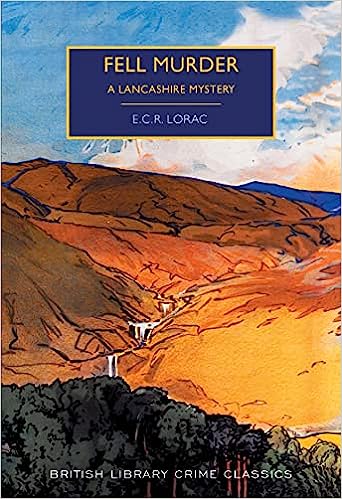
The Theft of the Iron Dogs continues Chief Inspector Macdonald’s association with the people of Lunesdale, which began in Lorac’s earlier work, Fell Murder, which I immensely enjoyed. Still, like most sequels, it fell a little short of its predecessor for me.
Readers are once again treated to Lorca’s beautiful and lush descriptions of the dales, and this setting becomes a more prominent character in the novel—may be too large. There’s so much of every page devoted to the land and the farmers, but now it’s so much more focused on things like land deals, right of passages, and farming land access that, for me, it was a little dull.
In his investigation, he soon finds a community rife with violence, domestic abuse, alcoholism, and the abuse of the weak and the vulnerable. His exploration of the tight-knit community and their complicated ways of meeting justice weigh heavily as he searches for Ginner, hiding not just from Macdonald but from several people he had swindled during and after a war when everyone was on the brink of starvation.
Macdonald knows that if he doesn’t uncover Ginner’s plot, which was relatively easy to work out, and find Ginner, which was more challenging to do, he might disappear in the dales by someone who has taken justice into their own hands.
The Theft of the Iron Dogs meditates on nature, community, and justice in equal measure in this cozy mystery.
British Library Crime Classics
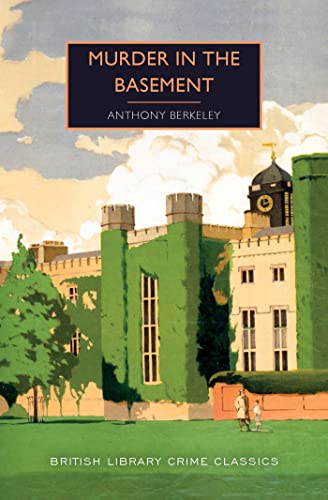
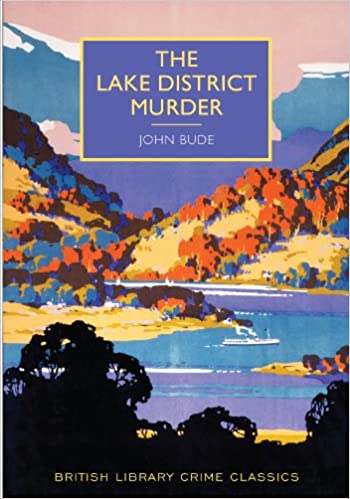
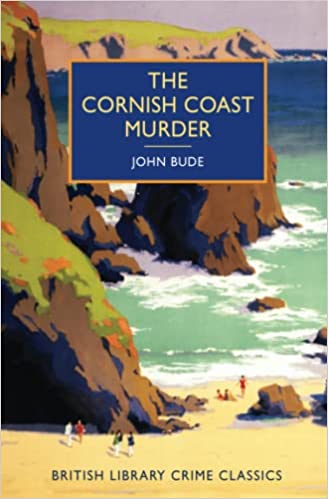
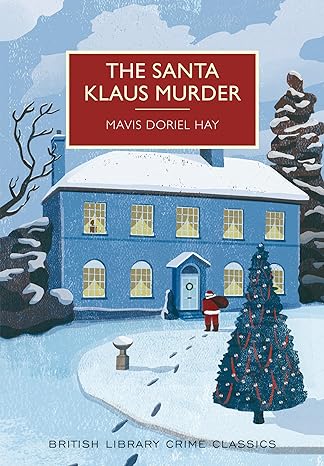
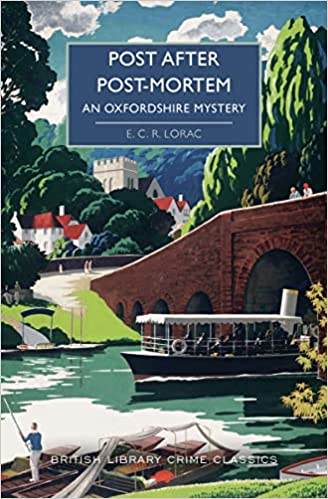
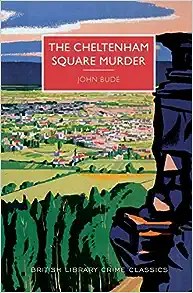
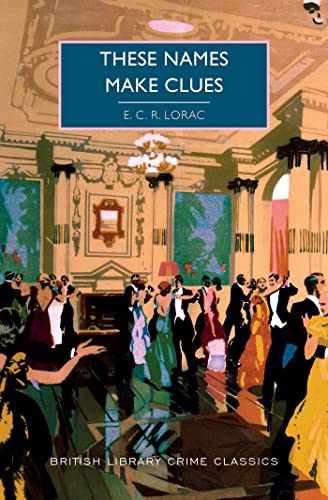
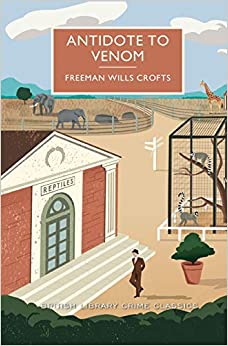

The Poisoned Chocolates Case by Anthony Berkeley (1929)
Mystery in the Channel by Freeman Wills Crofts (1931)
The Hog’s Back Mystery by Freeman Wills Crofts (1933)
Murder in the Basement by Anthony Berkeley (1934)
The Lake District Murder by John Bude (1935)
The Cornish Coast Murder by John Bude (1935)
The Santa Klaus Murder by Mavis Doriel Hay (1936)
Post After Post-Mortem by E.C.R. Lorac (1936)
The Cheltenham Square Murder by John Bude (1937)
These Names Make Clues by E.C.R. Lorac (1937)
Antidote to Venom by Freeman Wills Crofts (1938)
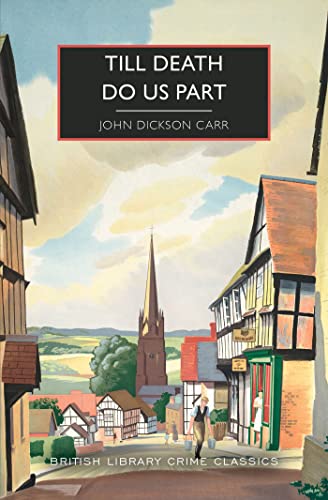
Till Death Do Us Part by John Dickson Carr (1944)
Fell Murder: A Lancashire Murder by E.C.R. Lorac (1944)
Murder by Matchlight by E.C.R. Lorac (1945)
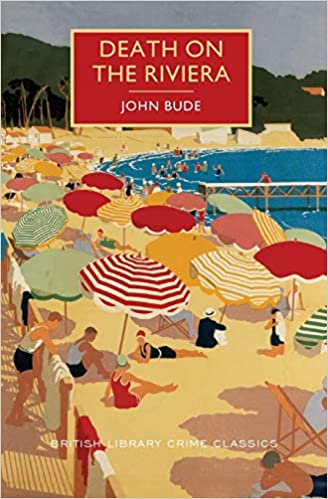
Death on the Riviera by John Bude (1952)
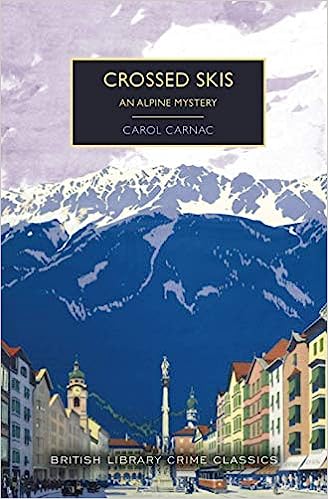
Crossed Skis by Carol Carnac (1952)
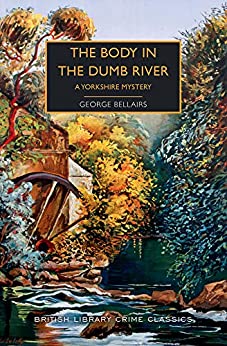
The Body in the Dumb River by George Bellairs (1961)
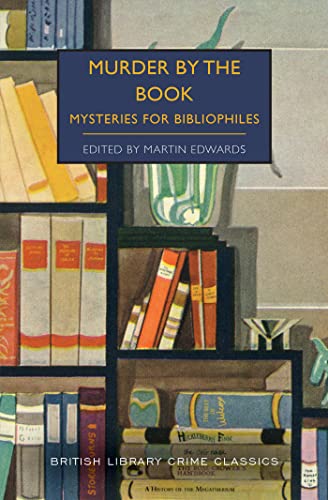
Murder by the Book, edited by Martin Edwards (2021)

 Golden Age of Detective Fiction
Leave a reply to Weekend at Thrackley by Alan Melville (1934) – Golden Age of Detective Fiction Cancel reply